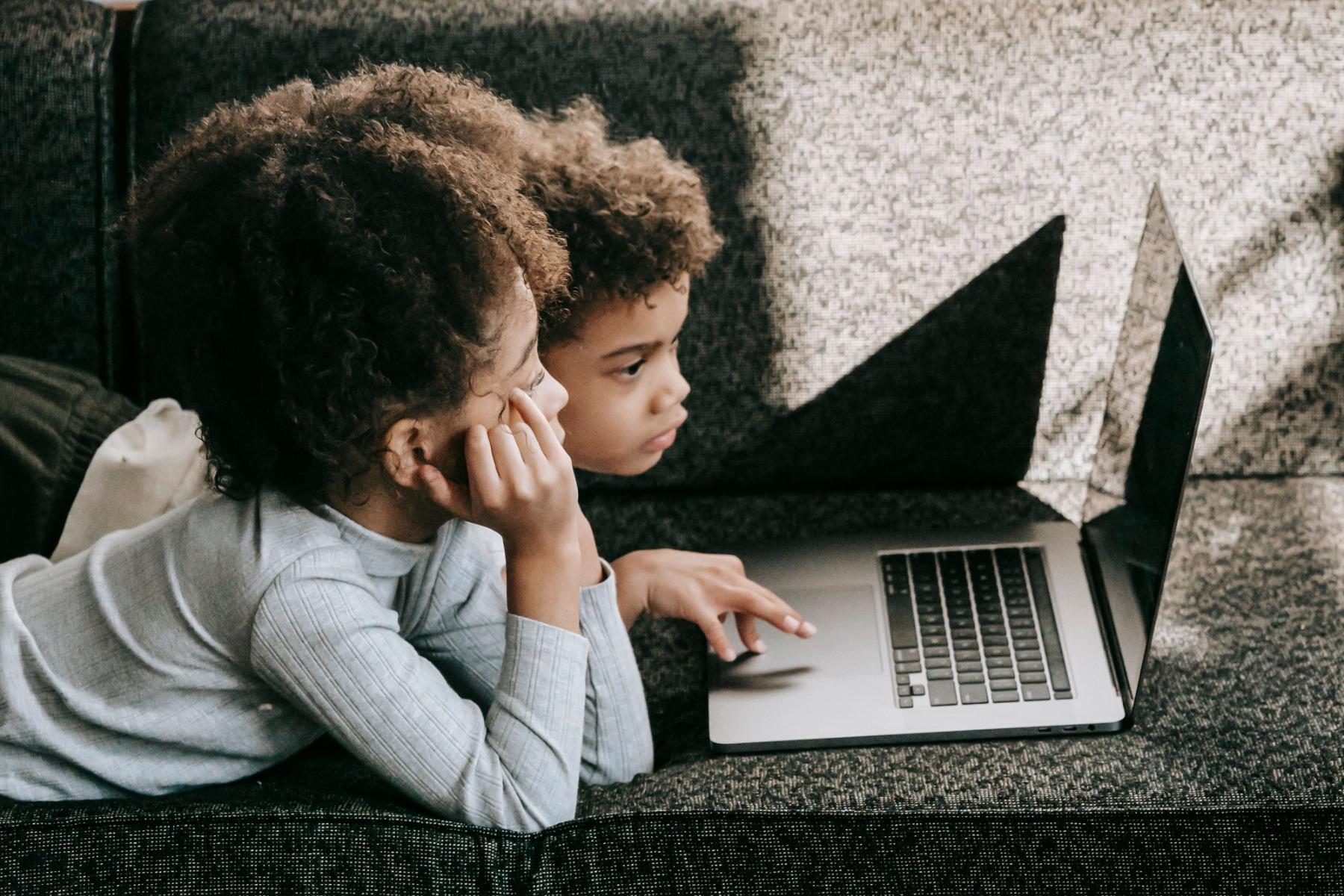


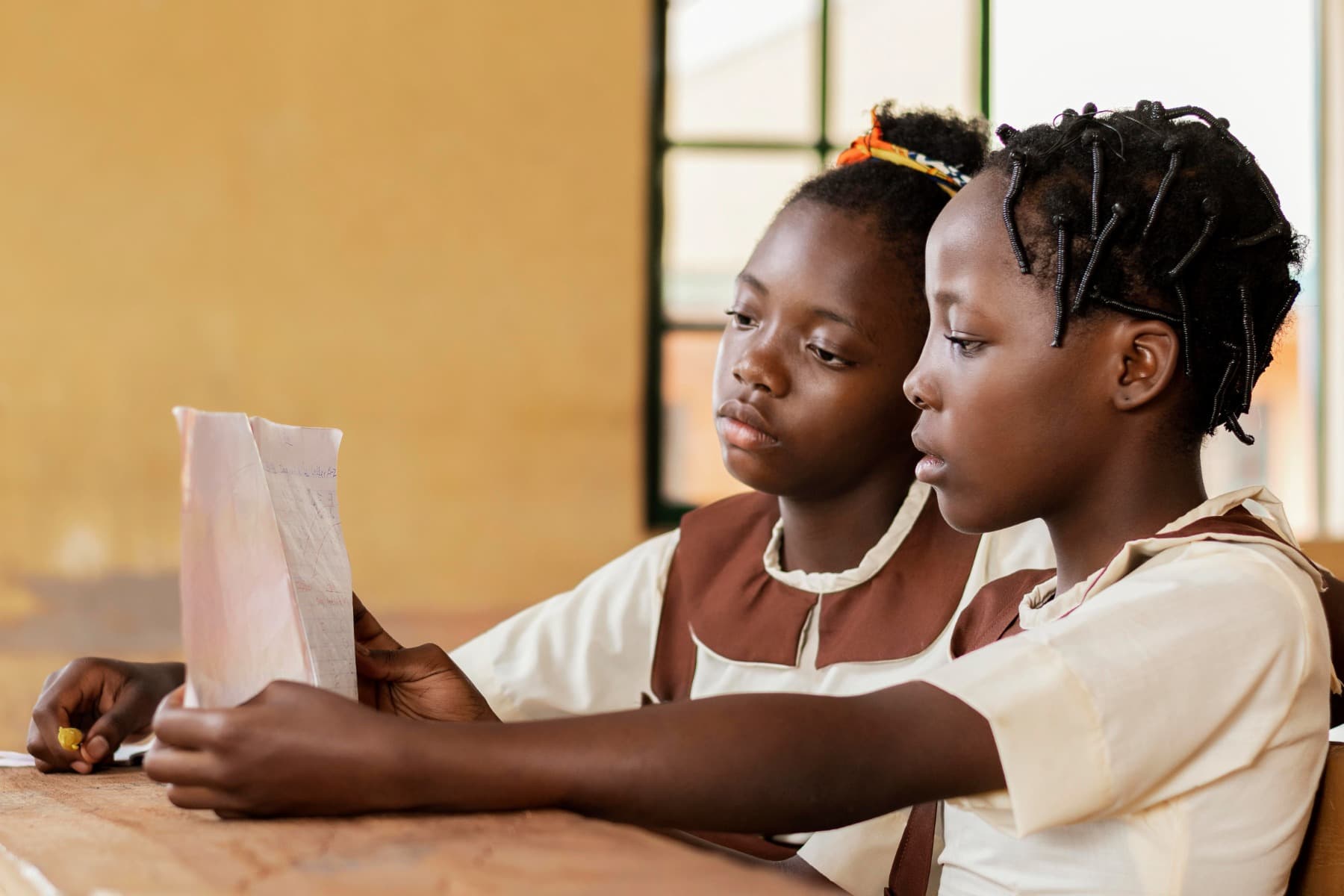
A September 2026 UNICEF Innocenti report, Skills for an AI World, explored the perspectives of 97 children aged 9–17 across five African countries. One thing stands out from the wider conversation: as artificial intelligence becomes part of everyday life, children need more than access to technology. They need the skills to understand it, question it and use it responsibly.
And honestly, this is a conversation we should be having.
Think about it. The world our parents grew up in is very different from the one we live in today. And the world our children will inherit? It will look very different from ours.
Technology is changing how we work, communicate and solve problems. Artificial intelligence is already here, and new possibilities are emerging faster than many of us can keep up with.
And we SHOULD be keeping up!
Africa has a young population, incredible creativity and people solving problems every day. But potential alone isn't enough. We need to create the opportunities and provide the education that will help the next generation make the most of it.
So, what should the future of education in Africa look like?
Beyond Memorising Answers
For generations, education has focused heavily on academic performance, examinations and memorising information. These things still matter. But knowing the right answer isn't always the same as understanding the problem.
Children need more than the ability to recall information. They need to know how to apply it, ask questions, think critically and come up with their own solutions.
This doesn't mean abandoning traditional education instead we will be building on it.
We need to teach children how to think, not just what to think.
AI Is Here. Are Our Children Ready?
We cannot ignore the rise of artificial intelligence, but we also cannot simply hand children AI tools and assume they know how to use them.
AI literacy should teach children to understand how AI works, question the information it produces, recognise its limitations and use it responsibly.
We shouldn't be raising children who depend on technology for every answer. We should be raising children who know how to think, even when technology is doing some of the heavy lifting.
Technology should support thinking, not replace it.
African Children Should Be Creators, Not Just Consumers
Children today consume an incredible amount of digital content. They watch videos, play games, explore apps and discover new things online.
But what happens when we move beyond consumption?
What if a child takes something they've learnt and turns it into a story, an experiment, a project or an entirely new idea?
That's where things get interesting.
Children need opportunities to experiment, make mistakes, explore their imagination and create things of their own.
And as Africans, we need to stop thinking of innovation as something that happens elsewhere. Our children should have the opportunity to become the people building the technologies, ideas and solutions of tomorrow.
They shouldn't just be users of the future. They should be part of creating it.
Building for African Realities
Let's be realistic. Access to quality education, reliable internet, electricity and learning resources remains unequal across Africa.
Technology alone won't fix these challenges. A digital platform cannot replace a good teacher, and putting devices in classrooms doesn't automatically mean children are learning better.
We need educational technology that understands the communities it serves.
Africa has different languages, cultures, educational systems and learning environments. Our solutions should reflect that.
This is why African-led innovation matters. We need to build tools that understand our realities without compromising on quality or ambition.
Our children deserve that much.
Where AMATA StoryBooks Comes In
At AMATA StoryBooks, we believe children deserve learning experiences that encourage curiosity, creativity and independent thinking.
This belief is at the heart of Lecoe Kids, our educational technology product designed to introduce children to artificial intelligence through questions, stories and creative activities.
We want children to explore what technology can do while developing the confidence to question, experiment and come up with ideas of their own.
Our ambition goes beyond one product. We want to contribute to an African education technology ecosystem that creates meaningful opportunities for children, families and educators.
Because preparing children for the future should mean more than teaching them how to use the latest technology.
It should mean helping them understand it, question it and eventually create with it.
The Future Starts Now
We may not know exactly what the world will look like in twenty years. But we know our children will need to keep learning, adapting, creating and solving problems.
We cannot keep preparing them for a future based entirely on the experiences of the past.
The question isn't whether the world will change. It already is. The question is whether we're preparing our children to be part of that change.